The rota rule I'll never break
Placeholder until the handwritten page is photographed.
Forty people walked into a bar in Cork on a Tuesday evening. Nobody had booked. The rota had been done to the penny, and the penny was all we had.
I've worked in a lot of rooms since my first Saturday on a banqueting floor at eighteen: late bars, a five-star resort, a hotel above the lakes in Killarney. The menus change, the uniforms change, the till changes. One thing never does. The rota is either over or under, and everybody on the floor knows which by half past seven.
That Tuesday it was under. What the guests got was the version of hospitality nobody writes a menu for: the wait at the bar, the apology at the table, the drink that came after the food. Nobody did anything wrong that night. The wrong thing had been done a week earlier, on a spreadsheet, by me.
Roster the day, not the week
The fix I settled on was simple and I've kept it in every room since.
The roster comes off last month's covers by day, not by the week. An average week has no Saturday in it, as Claudia Robbins put it; your bar does. Rostering a team of five to eight against a labour budget, the weekly average would have had me a person short every Friday and a person over every Tuesday. Put the names where the covers are and the average takes care of itself.

One more name on the heaviest night
Then the heaviest night gets one more name than the budget strictly likes.
When somebody rings in sick on a Friday, and it is always a Friday, the night runs anyway. The Tuesday carries the cost, and a quiet Tuesday can carry it. A Friday can't. The difference between those two nights isn't a wage. It's a table of six who waited twenty minutes for a round, and who tell the story at work on Monday.
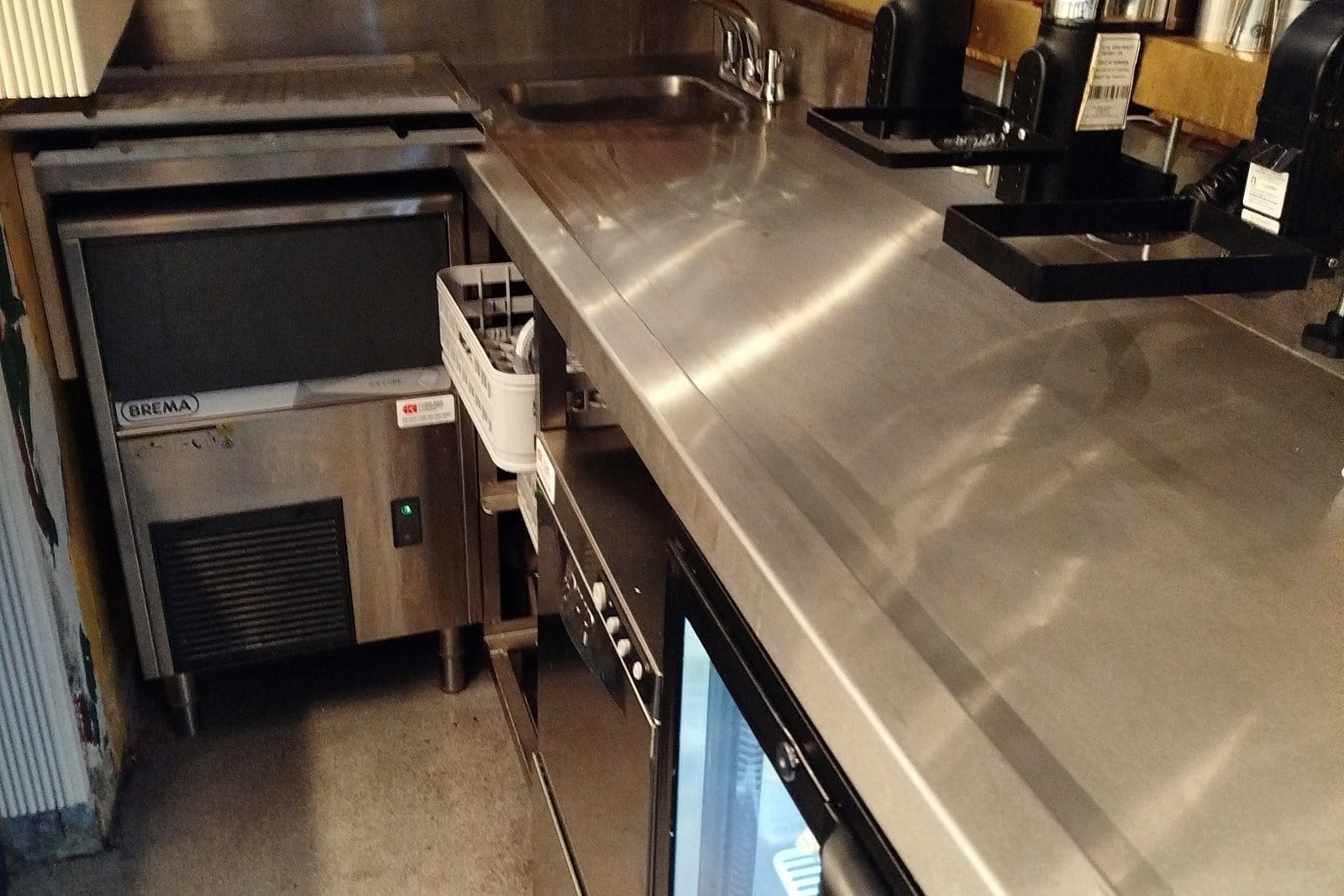
And the extra pair of hands is never idle, because there is always more to do than the rota admits. Shelves to dust, a stocktake to begin, fruit to prep for tomorrow, the back bar to face up. A manager who can't find two hours of real work for a spare body on a quiet night hasn't looked at the cellar.

The hour that gets cut
When a rota is squeezed to a labour cap, the hour that goes is never the Saturday-night one. It's the quiet one between lunch and dinner.
That's the hour where the new starter gets shown the cellar. Where the menu change gets briefed, properly, so that nobody has to read it off a card to a guest. Where the regular gets five minutes at the bar with someone who knows his name. Lose that hour for a month and the numbers look better. Lose it for a season and the service drifts, and nobody can point to the line on the spreadsheet that caused it.
I've never had a server leave over a quid an hour. I've had people leave over a rota that changed on a Thursday night. What kept people, in the bars I ran, wasn't the night out. It was the rota going up on time, a proper staff meal eaten sitting down, and the manager on the floor for the last hour on a Saturday rather than in the office.

What the law says, on both sides of the water
Under all of this sits a floor that Ireland and Scotland agree on almost word for word.
In Ireland, the Organisation of Working Time Act 1997 gives every employee a rest period of not less than eleven consecutive hours in each twenty-four (section 11), at least twenty-four consecutive hours' rest in each seven days (section 13), and an average working week of no more than forty-eight hours (section 15). In the UK, the Working Time Regulations 1998 say the same: eleven hours' daily rest (regulation 10), twenty-four hours' weekly rest (regulation 11), and the forty-eight-hour average (regulation 4).
I wrote on Monday about my own eighty-hour weeks and eighteen days in a row. I broke that floor on myself, and my body sent the invoice. I have never knowingly rostered anyone else across it, and I never will.

What it costs an owner
If the law doesn't move you, the arithmetic might.
In 2021 the World Health Organization and the International Labour Organization published the first global estimate of what long hours do to people. Working fifty-five hours or more a week was linked to a thirty-five per cent higher risk of stroke and a seventeen per cent higher risk of dying from heart disease than a week of thirty-five to forty hours. In 2016 alone, they attributed 745,000 deaths to it (Pega et al., 2021).
A team that's rested notices things. A team that isn't drops them. Every owner has paid for the second kind, in comps, in reviews, and in the cost of replacing someone who was good. Who will staff the Highlands at all is a question I wrote about in Who Will Pour the Dram?; keeping the people you have is the cheapest answer.
The rule, on one page
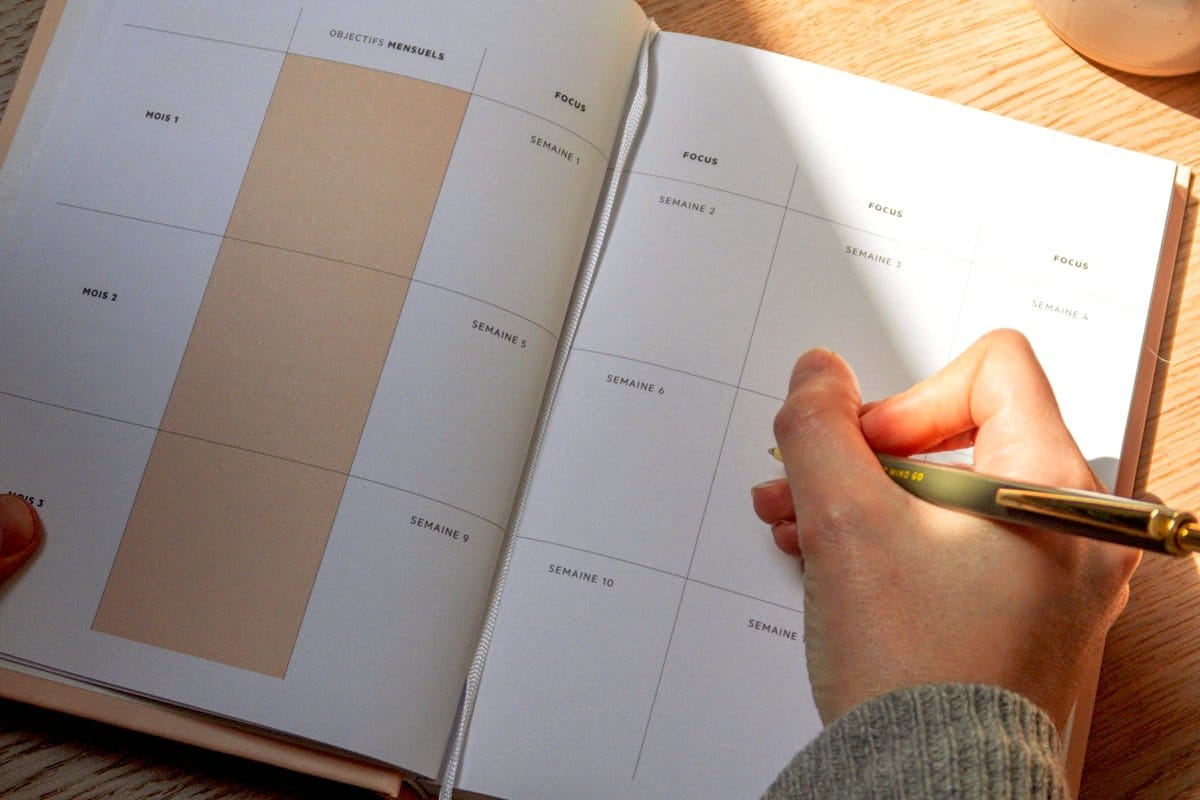
Roster the day, not the week. One more name on the heaviest night. The extra hands are never idle. Protect the quiet hour. Eleven hours between shifts, a day off in seven, forty-eight on average. The rota goes up on time, and it doesn't change on a Thursday night.
Owners and managers: what's the one rule written on the first page of your rota book? Tell me in the comments on LinkedIn, or hit reply if this came to you by email.
New here? My Monday stories and Thursday craft notes can come straight to your inbox: subscribe free.
Monday: a story from my grandfather's fireside.
References
- Ireland (1997) Organisation of Working Time Act 1997 (No. 20 of 1997), ss. 11, 13, 15. Dublin: Irish Statute Book. Available at: irishstatutebook.ie (Accessed: 20 October 2026).
- United Kingdom (1998) The Working Time Regulations 1998, SI 1998/1833, regs 4, 10, 11. Available at: legislation.gov.uk (Accessed: 20 October 2026).
- Workplace Relations Commission (n.d.) Working Hours. Available at: workplacerelations.ie (Accessed: 20 October 2026).
- GOV.UK (n.d.) Rest breaks at work. Available at: gov.uk (Accessed: 20 October 2026).
- Pega, F., Náfrádi, B., Momen, N.C., Ujita, Y., Streicher, K.N., Prüss-Üstün, A.M. et al. (2021) 'Global, regional, and national burdens of ischemic heart disease and stroke attributable to exposure to long working hours for 194 countries, 2000–2016: A systematic analysis from the WHO/ILO Joint Estimates of the Work-related Burden of Disease and Injury', Environment International, 154, 106595. https://doi.org/10.1016/j.envint.2021.106595
- World Health Organization (2021) Long working hours increasing deaths from heart disease and stroke: WHO, ILO, 17 May. Available at: who.int (Accessed: 20 October 2026).
- Robbins, C. (2026) LinkedIn post, 28 September: "An average week has no Saturday in it." Quoted with attribution.
https://www.ciaran-murray.com/the-rota-rule-ill-never-break/ · 22 October 2026 · Ciaran Murray
Read next
-
People & Craft · · 5 min read
Snap-Apple Night: a Halloween run-sheet from Cork
A tub half-full of water in the middle of a kitchen floor in Blarney, and the apples floating in it. That's Halloween, written down in 1938.
-
People & Craft · · 5 min read
Ten drinks. Every one costed.
The fortieth Dingle Bay Fizz on a Saturday has to taste like the first. It also has to cost the same. Here's the list a bar can run, every drink costed.