The story goes like this: a Cork fireside and the stag bells
The story goes like this.
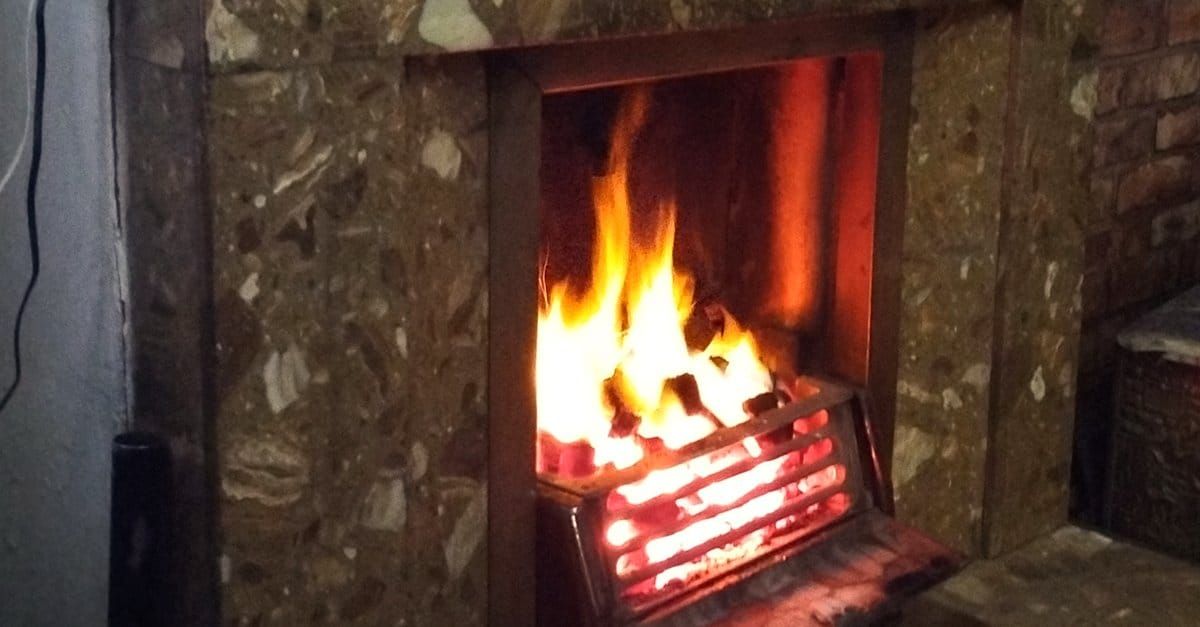
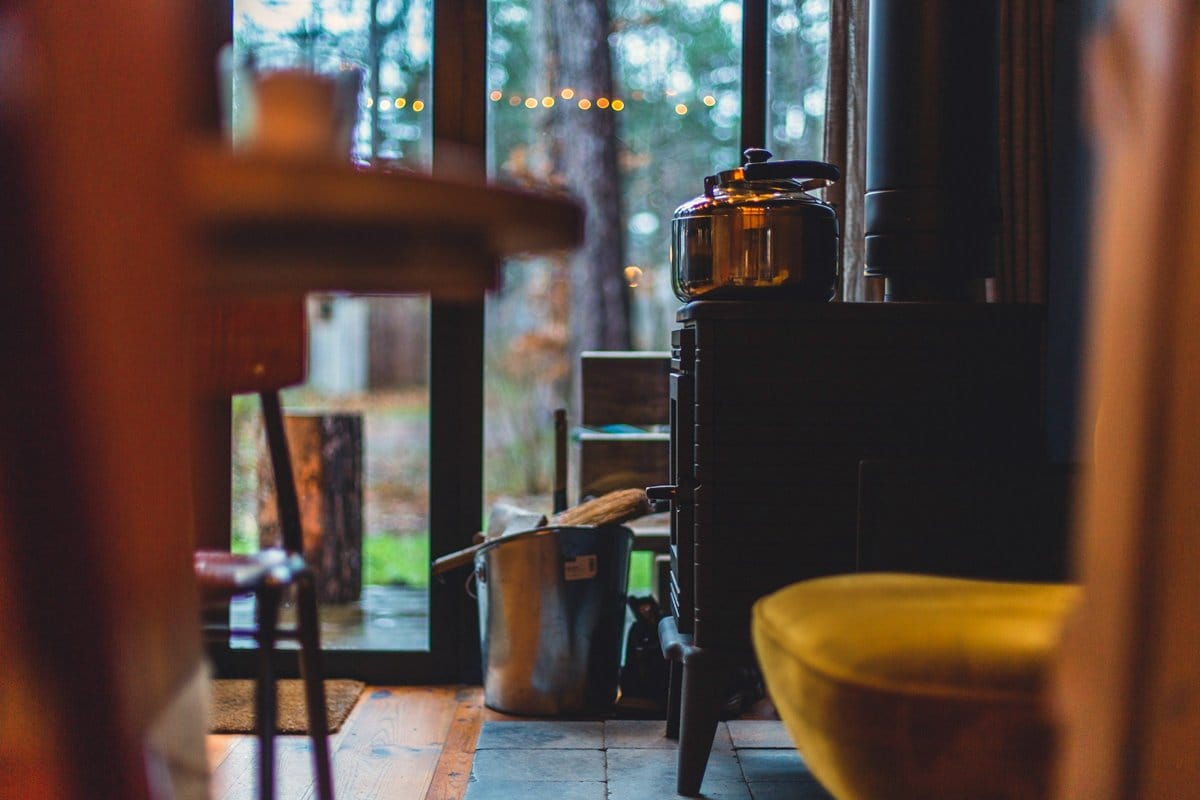
A coal fire in Cork. Cups of Barry's tea going round. The television on RTÉ One so low you couldn't hear it, just filling the silence. Four uncles, my dad and two aunts, and my grandfather by the fire with a single dram of Redbreast 12 beside him, telling a story half in Irish.
The same story, a hundred and one times
He told the same story a hundred and one times. A little differently each time. Never once a different story. And he opened every one the same way, "The story goes like this", and closed it the same way too: "Sin é mo scéal." That's my story.
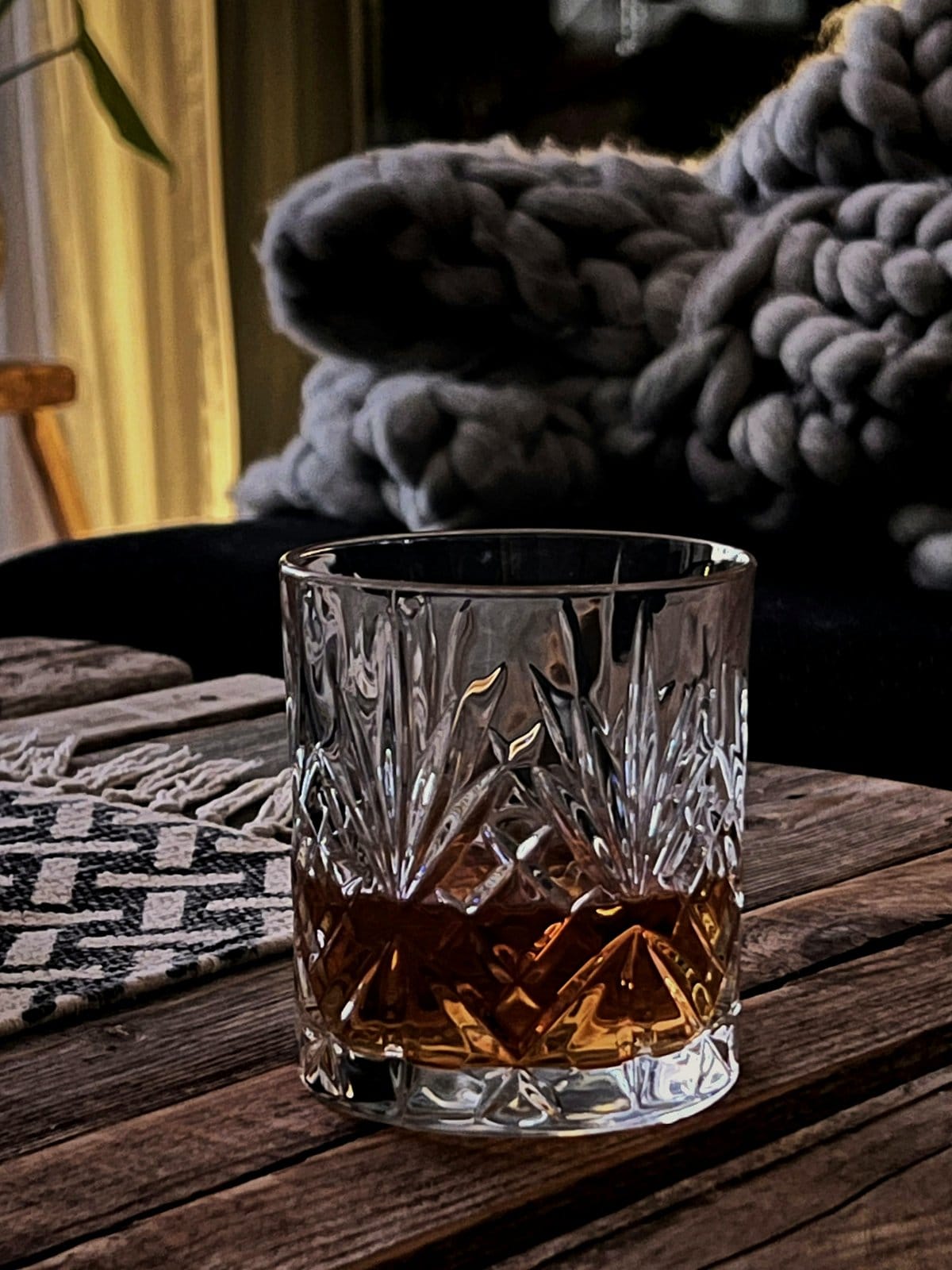
He grew up beneath the Shandon bells, and his stories went back up the hill with him: the Shawlies of Sunday's Well on a Saturday, and the horse-drawn carriages "soldiering up the semi-steep hill". He taught me to build a coal fire. Redbreast 12 was his dram, and it's mine now.
A thousand-year-old echo
There's an Early Irish poem on the coming of winter, from the ninth or tenth century and ascribed to Fionn mac Cumhaill. It survives in the Middle Irish commentary on the Amra Choluim Chille, the elegy for St Columba. Its first words are "Scél lem dúib". Kuno Meyer translated it in 1903:
My tidings for you: the stag bells,
Winter snows, summer is gone.
It ends, in Meyer's English, "Season of ice – these are my tidings."
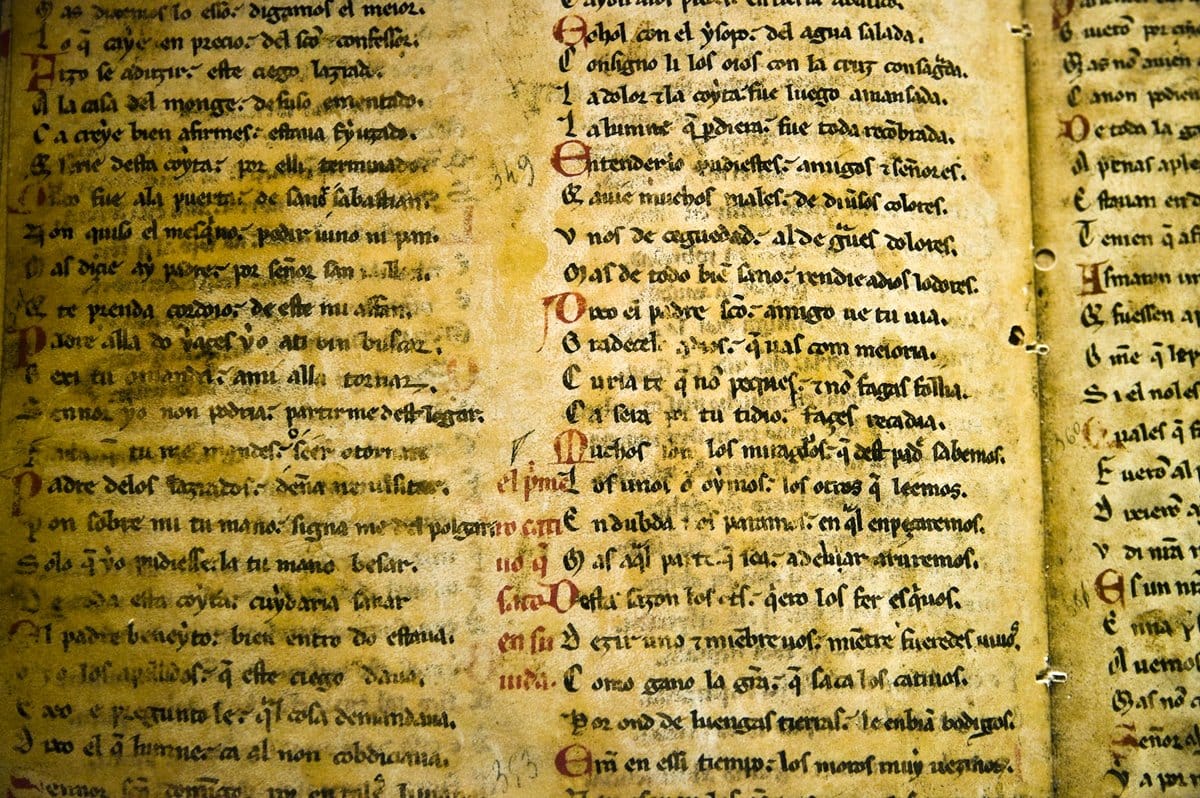
Scél is my grandfather's word: story, news, tidings. I won't tell you the poem is where "Sin é mo scéal" comes from; nobody can say that. It's an echo, a thousand years long, of a man by a fire telling the room what he knows.
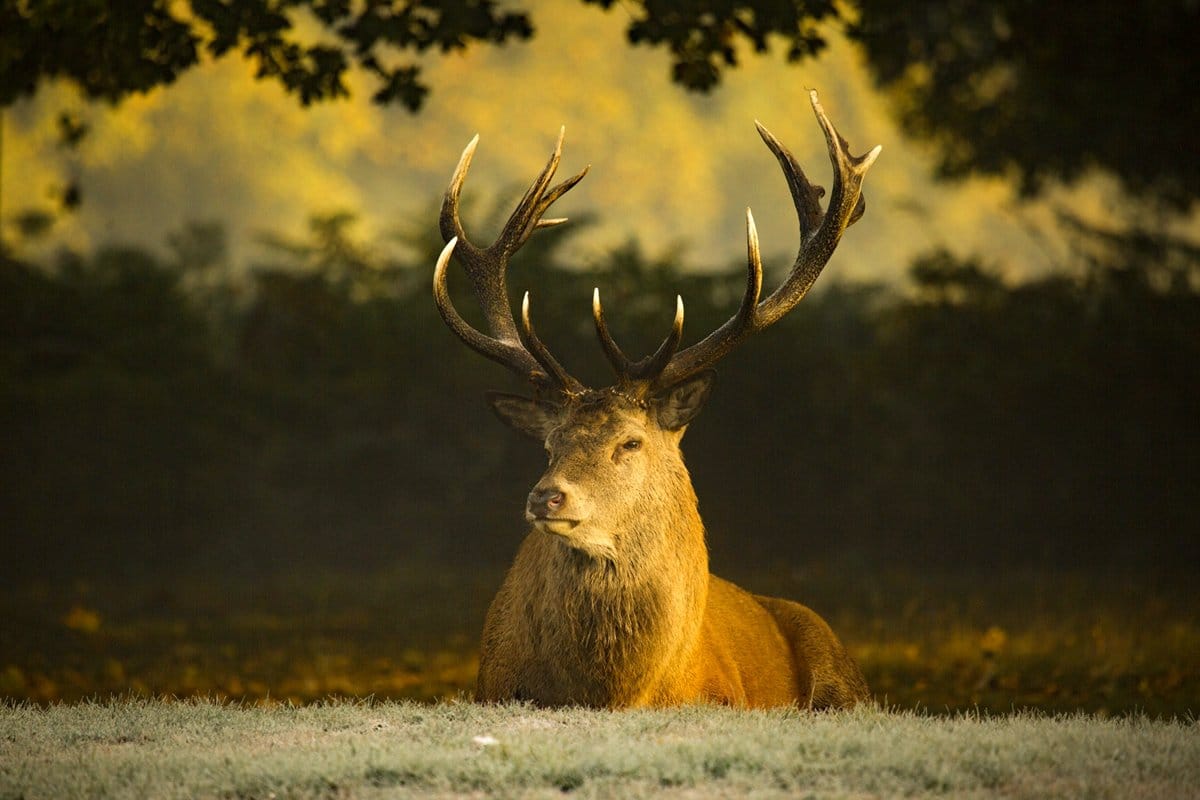
And the stag bells are ringing now. In the Highlands the red deer rut runs through September and October, and Forestry and Land Scotland says that during it "you might well hear them": throaty roars that echo through the forest.
What the fireside taught me about a room
The room by that fire never wanted a different story. It wanted the same one, told fresh. The same welcome, the same warmth, the same ending everybody knew was coming, and a small new detail each time so you knew he was telling it to you, tonight.
That's most of what I know about hospitality. The regular who comes back doesn't want a new bar every Friday. They want their name, their drink and the standard they came for, told fresh: a line about the weather that's true today, a question about the thing they mentioned last week.
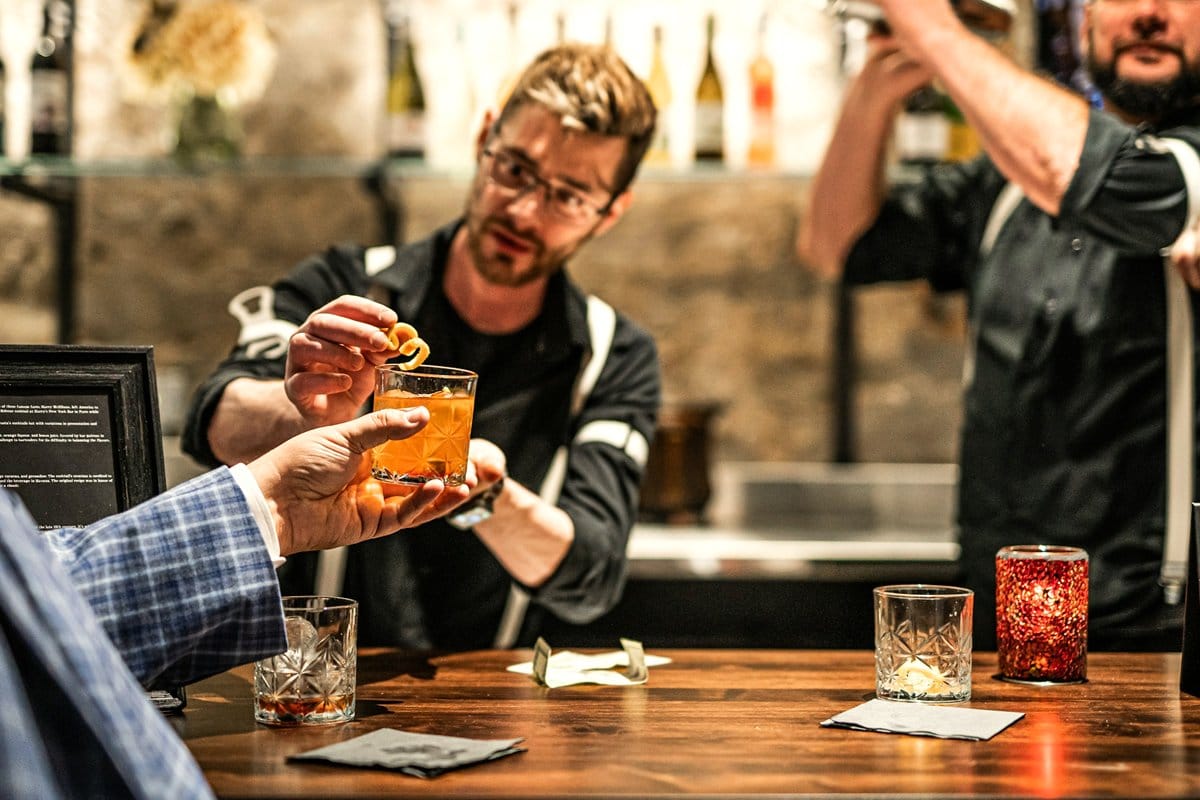
If you're in your first season: learn one story about the place you work, the building, the drink, the name over the door, and tell it the same way, a little differently, every night.
If you run a floor: give your team a house story they can all tell in one sentence. A room with a story people repeat is a room people return to.
If you own the building: the story is the cheapest thing on the premises, and the one guests take home.
Managers and owners: what's the story your regulars ask to hear again? Tell me in the comments on LinkedIn, or hit reply if this came to you by email.
New here? My Monday stories and Thursday craft notes can come straight to your inbox: subscribe free.
Tuesday: the room that comes with the job.
Sin é mo scéal.
References
- Meyer, K. (trans.) (1903) Four Old-Irish Songs of Summer and Winter. London: David Nutt. 'Scél lem dúib', as reproduced at Mary Jones, Celtic Literature Collective. Available at: maryjones.us (Accessed: 21 October 2026).
- CODECS (n.d.) Scél lem dúib. Available at: codecs.vanhamel.nl (Accessed: 21 October 2026).
- Forestry and Land Scotland (n.d.) Red deer. Available at: forestryandland.gov.scot (Accessed: 21 October 2026).
https://www.ciaran-murray.com/the-story-goes-like-this/ · 26 October 2026 · Ciaran Murray
Read next
-
People & Craft · · 5 min read
Snap-Apple Night: a Halloween run-sheet from Cork
A tub half-full of water in the middle of a kitchen floor in Blarney, and the apples floating in it. That's Halloween, written down in 1938.
-
People & Craft · · 5 min read
Ten drinks. Every one costed.
The fortieth Dingle Bay Fizz on a Saturday has to taste like the first. It also has to cost the same. Here's the list a bar can run, every drink costed.