Sitting the SCPLH from Ireland, and the Scottish personal licence
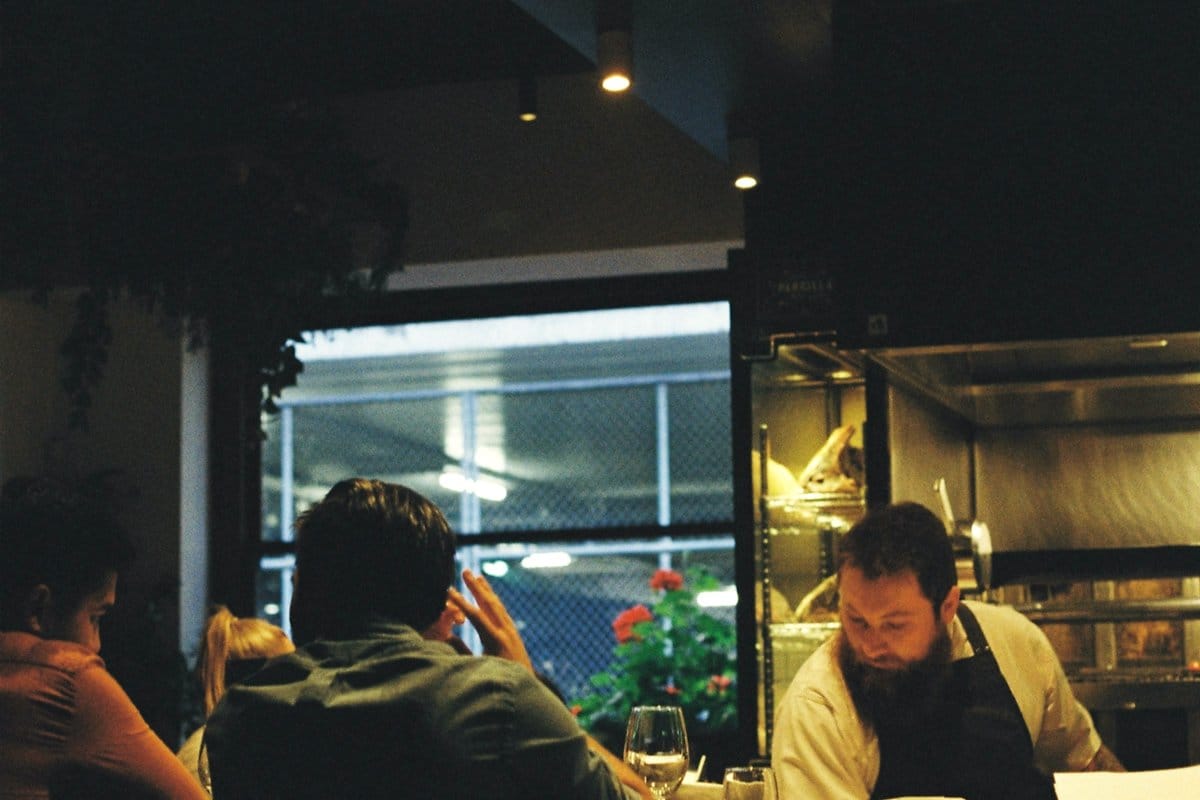
Photo: Wenceslao Moya on Unsplash
I'm booking a Scottish personal licence exam from a kitchen table in Cork. Ten years, £50, forty multiple-choice questions — and in Ireland the licence sits on the premises, not on a person.
This is what an Irish bar manager learns reading the Licensing (Scotland) Act 2005 before he moves, with the sections at the foot so you can read them yourself.
The licence sits on the person
In Ireland the licence sits on the premises. In Scotland it sits on the premises and on a person. Schedule 3 of the Act makes it a condition of every premises licence that alcohol isn't sold when "the premises manager does not hold a personal licence", and that every sale is authorised by the premises manager or another personal licence holder. Lose the person, and the bar stops trading until someone with a licence is named.
That's the first thing a manager crossing the water needs to know, because it's the document a Scottish general manager will ask about in the first conversation. The rest of that conversation, the right-to-work check and the National Insurance number, is in Wednesday's guide to the first week.
The qualification: SCPLH
To apply you must hold a licensing qualification (section 74(3)(b) of the Act). The one everyone means is the Scottish Certificate for Personal Licence Holders, the SCPLH, set at SCQF level 6 since 1 December 2020. Qualifications Scotland describes the assessment as "externally set, multiple choice examinations with 40 questions", and says some centres offer online delivery. That's how an applicant in Ireland does it: an accredited provider, the course online, the exam sat from home.
The course follows the Act: the five licensing objectives in section 4, the premises licence and its conditions, the personal licence and how it is lost, children and young people, drunkenness and the refusal of service, and the training you'll owe your own staff.
The application: £50, two photographs, the right Board
Section 72 of the Act says you apply to the Licensing Board for the area where you're "ordinarily resident", or, if you aren't resident in any Board's area, to any Licensing Board. So an applicant still living in Ireland can apply to the Highland Licensing Board before the move, and that is what I'll do.
Highland Council's page lists the fee at £50, asks for two photographs, and notes that licences are issued for ten years. The Board notifies the chief constable, who checks for relevant convictions; there's no separate disclosure certificate to buy. No processing time is published, so apply early.
Ten years, a refresher at five
Section 77 gives the licence a life of ten years from the date of issue. The renewal window opens twelve months before expiry and runs nine months (section 78, as amended in 2015). Inside every five years you must complete a refresher course, or the licence is revoked; Qualifications Scotland's page says the refresher is due "within five years".
Write both dates down the day the licence arrives. In every room I've run, the licence that caused trouble was the one nobody had looked at since it was framed.
Two hours for everyone else
Scotland asks something of every person who sells a drink, not just the manager. The Licensing (Training of Staff) (Scotland) Regulations 2007 require training "of at least 2 hours' duration" covering the matters in the Schedule, delivered by a personal licence holder or an accredited trainer, before the person sells alcohol, with a record kept. It's been the law since 1 February 2008.
Two hours is short. It's also more than most new starters in Ireland get before their first Friday. The sensible version is a two-hour session in the first week, signed by both of you, filed where the Board can see it.
For the owner
The personal licence is the single document that can stop a bar trading. Three habits: the premises manager's expiry and refresher dates on the office wall; a second licence holder on the rota, always; and the two-hour staff training logged on the day, not reconstructed in a panic. The rota half of that is the rule I wrote about on Thursday, one more name on the heaviest night; make sure one of the names holds a licence. The licence protects the right to sell. Friday's piece on wet GP is about what the selling has to earn.
Managers who crossed from Ireland or England: what caught you out in the Scottish rules that nobody warned you about? Tell me in the comments on LinkedIn, or hit reply if this came to you by email.
New here? My Monday stories and Thursday craft notes can come straight to your inbox: subscribe free.
Sunday: the weekly stocktake that finds money.
References
- Scottish Parliament (2005) Licensing (Scotland) Act 2005 (asp 16), Part 6, ss. 72, 74, 77, 78. Available at: legislation.gov.uk (Accessed: 20 October 2026).
- Scottish Parliament (2005) Licensing (Scotland) Act 2005 (asp 16), Schedule 3, paras 4–6. Available at: legislation.gov.uk (Accessed: 20 October 2026).
- Qualifications Scotland (2026) Alcohol Licensing Qualifications. Available at: sqa.org.uk (Accessed: 20 October 2026).
- Scottish Government (2022) Liquor personal licence holder: training accreditation. Available at: gov.scot (Accessed: 20 October 2026).
- The Highland Council (2026) Liquor – personal. Available at: highland.gov.uk (Accessed: 20 October 2026).
- Scottish Ministers (2007) The Licensing (Training of Staff) (Scotland) Regulations 2007, SSI 2007/397. Available at: legislation.gov.uk (Accessed: 20 October 2026).
https://www.ciaran-murray.com/scplh-from-ireland-scottish-personal-licence/ · 24 October 2026 · Ciaran Murray
Read next
-
People & Craft · · 5 min read
Snap-Apple Night: a Halloween run-sheet from Cork
A tub half-full of water in the middle of a kitchen floor in Blarney, and the apples floating in it. That's Halloween, written down in 1938.
-
People & Craft · · 5 min read
Ten drinks. Every one costed.
The fortieth Dingle Bay Fizz on a Saturday has to taste like the first. It also has to cost the same. Here's the list a bar can run, every drink costed.