The weekly stocktake: Monday morning, before the doors
Photo: Irina Sergeeva on Unsplash
Monday morning, before the doors. The bar is closed, the week is over, and I'm on my own with the stock sheet and every bottle in the building.
That was the stocktake in the bars I ran: weekly, alone, everything. No par levels, no sampling the top sellers and trusting the rest. Every full bottle, every open one, every keg, every case in the store.
This is how it worked, why I did it that way, and what it's for, written for the bartender in their first season and for the owner who signs the accounts.
Why Monday morning
The trading week closed on Sunday night. On Monday morning, before the first delivery, the building holds exactly what the week left behind. Count after a delivery has come in and you're counting two weeks at once, and the sheet will never balance.
It also meant the order for the week came straight off the count. What's on the shelf, what's in the store, what we need by Friday.
Why alone
One pair of eyes counts the same way every week. The same order round the bar, the same way of reading an open bottle, the same hand on the sheet. When the number moves, it's the stock that moved, not the counter.
The cost is plain: nobody checks me. So the sheet has to be honest enough to stand on its own, and anyone should be able to pick it up, walk the bar and find the same bottles where I wrote them.
The sum
A stocktake is one line of arithmetic:
Opening stock + what came in − what's left = what you used.
Put a cost on each line and "what you used" becomes your cost of sales. Set it against what the till says you sold, after VAT, and you have your wet GP for the week. The VAT step matters, and I worked it through in Friday's piece on wet GP: work from the menu price and the number looks about five points better than it is.
Counting weekly against a 70 to 75 per cent target is how I held wet GP where it needed to be.
What the gap tells you
The interesting part is the gap between what you used and what you sold. Monthly, that gap is a number nobody can explain. Weekly, it's a conversation: this bottle, that week, those shifts.
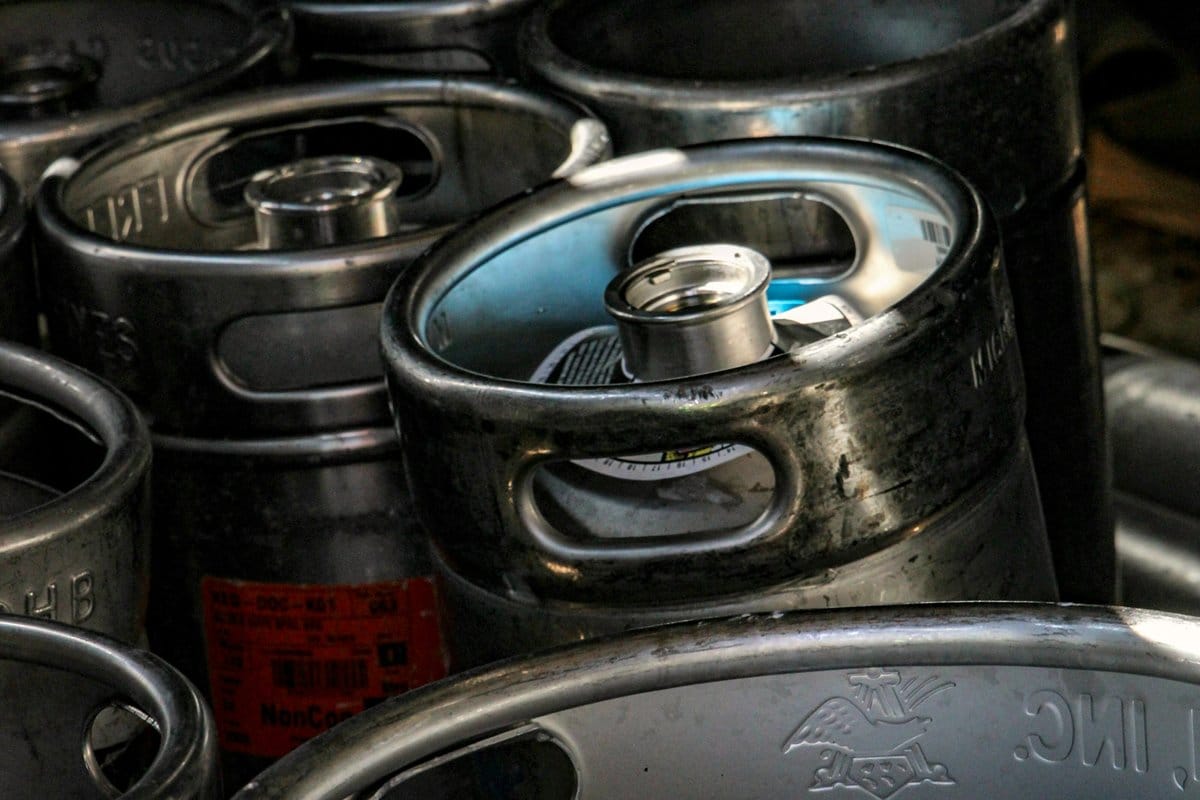
It's rarely one big thing. It's the kind of thing a weekly count can see: a spirit down two bottles more than the till says, a delivery that arrived but never got booked in, a keg that went flat midweek and was poured away without a note, a cocktail that quietly got bigger. Each has a different fix, and you can only choose the right one if you know which week it happened in.
Three habits
Count the same way every time. Same day, same hour, same order round the bar. Consistency matters more than precision.
Book everything in, and everything out. Deliveries on the day they arrive; breakages, spills, staff drinks and comps written down when they happen, not remembered on Monday.
Talk about the gap with the team. A number posted on the office door changes nothing. A number explained at the Tuesday briefing, with the reason attached, changes how people pour.
For the new bartender
The stocktake isn't about catching you. It's how the bar knows what it actually sells. If you spill a bottle, say so and write it down; a recorded breakage is a line on the sheet, an unrecorded one is a mystery that lands on everyone.
For the owner
A weekly count costs one person a couple of hours on a quiet morning. What it buys is a margin you can explain, line by line, before the month has gone. It's the same logic as the rota rule: spend a little on the quiet day so the busy one doesn't cost you more.
Managers: when do you count, and who counts with you? Tell me in the comments on LinkedIn, or hit reply if this came to you by email.
New here? My Monday stories and Thursday craft notes can come straight to your inbox: subscribe free.
Monday: a story from my grandfather's fireside.
References
No outside figures in this piece. The VAT rates and the wet-margin benchmarks behind the "after VAT" point are referenced in full in Wet GP explained.
https://www.ciaran-murray.com/the-weekly-stocktake/ · 25 October 2026 · Ciaran Murray
Read next
-
People & Craft · · 5 min read
Snap-Apple Night: a Halloween run-sheet from Cork
A tub half-full of water in the middle of a kitchen floor in Blarney, and the apples floating in it. That's Halloween, written down in 1938.
-
People & Craft · · 5 min read
Ten drinks. Every one costed.
The fortieth Dingle Bay Fizz on a Saturday has to taste like the first. It also has to cost the same. Here's the list a bar can run, every drink costed.